


Rattan vs Aluminium Garden Furniture: Which Suits UK Gardens?
Posted by Amy Hall on 31st Oct 2026
Rattan vs Aluminium Garden Furniture: Which Suits UK Gardens?

For most British gardens, powder-coated aluminium is the easier choice if you want a set you can leave out all year with almost no fuss, and synthetic (PE) rattan is the better choice if you want a softer, woven look and don’t mind a little more care. The two are not really rivals: many of the best rattan sets are woven over an aluminium frame, so you often get both. What matters is what the furniture is made of underneath, and how you plan to use it.
This guide walks through the differences one step at a time, so you can match a material to your garden, your patio and your habits.
TL;DR
- Aluminium does not rust, is light enough to move around and can generally stay outdoors all year.
- Synthetic PE rattan is low-maintenance and hard-wearing outdoors, but only if the frame underneath won’t rust. Natural rattan is better kept in a conservatory.
- The frame and the cushions decide how long a set lasts more than the surface material does.
- Light aluminium is easy to rearrange but can shift in strong wind. Chunkier rattan sets tend to feel more solid.
- Choose aluminium for low effort and exposed spots. Choose rattan on an aluminium frame for comfort and a cosy look.
Table of Contents
- 1. What you are actually comparing
- 2. How each holds up in British weather
- 3. Maintenance and cleaning
- 4. Weight, wind and stability
- 5. Comfort and cushions
- 6. Looks and style
- 7. Which should you choose?
- 8. Our view
- 9. Where to find a set
- 10. Looking after either material through the year
- FAQ
- Sources
1. What you are actually comparing
The comparison sounds simple, but the two words describe different things. Aluminium is a metal, used for the frame or for the whole piece. Rattan describes a woven look, and the material behind it varies.
Natural rattan comes from a tropical vine. Wicker is the weaving technique rather than a material, so you can have wicker made from natural or synthetic fibres. Synthetic PE rattan is an engineered resin, extruded into strands and woven by hand or machine. BBC Gardeners’ World Magazine’s guide to rattan draws this same distinction and features sets with PE rattan over an aluminium frame.
So the real question is usually one of these:
- A plain aluminium set (slatted, mesh or cast), or
- A PE rattan set, in which case you also need to ask what the frame is made from.
Natural rattan is a separate case. It is lovely, but it is an indoor or conservatory material in our climate, as we explain below.
2. How each holds up in British weather
British weather is rarely extreme, but it is persistently damp, with sun, wind and frost mixed in. That tests every material in a slightly different way.
Aluminium
Aluminium is rust-resistant. Ideal Home reports that its surface barrier stops moisture getting in, that it can generally be left outside year-round and that it needs no protective treatment. A powder-coated finish adds colour and an extra layer of protection while keeping the frame light.
If you want to know what to look for in the coating itself, our guide to powder-coated aluminium furniture covers it.
Synthetic PE rattan
PE rattan is designed for outdoor life. According to BBC Gardeners’ World Magazine, it can stay outside in varied weather, provided the frame is not steel that could rust. That caveat is the one that catches buyers out. The weave may look fine for years while the frame rusts from the inside, usually at the joints and feet.
Natural rattan
The same guide says natural rattan is attractive but not weather-resistant: prolonged wet weather can make it rot, and direct sun can fade it. If you love the genuine material, put it in a conservatory or a well-covered porch, not on an open patio.
A quick comparison
| Factor | Aluminium | PE rattan on aluminium frame | PE rattan on steel frame | Natural rattan |
|---|---|---|---|---|
| Rust risk | None expected | None expected from the frame | Possible at joints and scratches | Not applicable |
| Left out in rain | Generally fine | Generally fine | Risky over time | Not suitable |
| Sun | Colour may dull over time | Some fading possible | Some fading possible | Fades |
| Best location | Anywhere, including exposed spots | Patio or garden | Sheltered or stored in winter | Conservatory |
The table uses the findings from the two sources above. Steel is cheaper than aluminium, which is why it turns up in lower-priced rattan sets, but it can rust. The BBC guide recommends storing steel-framed furniture indoors over winter to prevent that.
3. Maintenance and cleaning
Both materials are undemanding. That is good news if you would rather sit in the garden than scrub it.
For both aluminium and PE rattan, a stiff brush and warm soapy water is the standard routine, as Gardeners’ World notes. Rinse well and let the furniture dry in the open air.
A few practical habits help:
- Clean at the start and end of the season. A wash in spring removes winter grime, and one in autumn stops dirt and leaf stains setting.
- Look at the joints. On any set, check where legs meet frames and where fixings sit, since moisture lingers there.
- Touch up chips. On a coated frame, a scratch that exposes bare metal is worth dealing with early.
- Cover or shelter in winter if you can. Ideal Home notes that sheltering furniture from the worst of the elements can prolong its lifespan, even for materials that cope well with weather.
If you want a routine broken down by material, our guide to garden furniture care habits sets it out, and the one on lifespans and care explains how much difference upkeep makes.
4. Weight, wind and stability
This is where the two feel most different in daily use.
Aluminium is light. That is a real advantage if you move furniture to follow the sun, clear the patio for a barbecue or tuck chairs away for winter. The flip side is that a light chair can shift or tip in a strong gust, particularly on a raised terrace or a balcony.
Rattan sets often feel heavier and more planted, because the frames are wider and the pieces are bulkier. Gardeners’ World points out that wider frames can improve sturdiness and comfort. A big corner sofa will not blow across the lawn, but it is also harder to lift and reposition.
Some simple ways to manage this:
- On windy sites, choose aluminium pieces with a broader base or heavier cast sections, or add weight with a planter nearby.
- On a small patio you rearrange often, lightweight aluminium is hard to beat.
- For a fixed seating zone, a rattan sofa or dining set that stays in one place makes sense.
Our piece on weatherproof garden furniture has six checks for sun, wind and frost that apply to either material.
5. Comfort and cushions
Most of the comfort in any garden set comes from the cushions, not the frame. Gardeners’ World stresses that cushion fabric and filling affect both comfort and weather resistance, and in practice they are often the first part of a set to wear out.
What to think about:
- Fabric. Water-resistant, quick-drying fabrics cope better with British showers. Check whether covers come off for washing.
- Filling. Thicker, quick-drying foam is more comfortable than thin padding, but it holds water for longer if left out.
- Storage. Whichever frame you choose, plan where the cushions will go when rain is forecast. A deck box or a dry corner of the shed does the job.
Rattan sets tend to come with deep, sofa-style cushions that invite lounging. Aluminium sets range from slim dining chairs with a seat pad to deep lounge pieces. If back support matters, see our advice on garden furniture for bad backs. For fabric care, our guide to garden furniture cushion care shows how to dry them properly.
6. Looks and style
Rattan gives a warm, textured, almost indoor feel. It suits cottage-style gardens, conservatories and any space where you want a relaxed lounge atmosphere. Greys, browns and natural tones are the usual choices.

Aluminium looks cleaner and more contemporary. Slim lines and anthracite or black finishes suit modern, minimal gardens, and cast aluminium with decorative detail can look traditional. It also tends to look neat in a small space, since the frames are slimmer.
If you are short on space, our guide to the best garden furniture for smaller gardens helps you match a style to the size of your patio.
7. Which should you choose?
Put your own garden first. A few typical situations:
You want the least work possible. Choose aluminium. It does not rust, it can generally stay out all year and it wipes clean.

You want a lounge feel and deep seating. Choose PE rattan, and check the frame. An aluminium frame removes the main long-term risk.
Your garden is exposed or windy. Choose heavier aluminium or a bulky rattan set, rather than very light chairs.
You have no covered storage. Pick furniture whose cushions are quick-drying, or accept a deck box as part of the budget.
You want genuine natural rattan. Keep it in a conservatory or a covered room, not on an open patio.
You are buying for a rental property. Low-maintenance aluminium or aluminium-framed rattan means fewer replacements and less to explain to tenants.
Questions to ask before you buy
- What is the frame made of: aluminium or steel?
- Is the rattan synthetic PE or natural?
- Are the cushion covers removable and washable?
- Does the set come with weather covers, and what is the return policy?
Our guide to checking garden furniture materials goes through these in more detail.
8. Our view
We sell garden furniture every day, and the same pattern shows up in what people ask us. Customers often start with “rattan or aluminium?” and end up realising the better question is about the frame and the cushions. A set that looks beautiful in a photograph can disappoint after two winters if the frame is the wrong metal or the cushions never get to dry.
Our advice is simple. If you are unsure, choose a frame that will not rust, then choose the look you enjoy sitting in. Treat the cushions as the part you will care for, and give the set a quick wash twice a year. Do those three things and either material can serve you well for many summers.
We also encourage you to measure first. A set that overwhelms a small patio is less enjoyable than a smaller one that leaves room to walk around. Sit down on the spot where it will go and picture the day: breakfast, a barbecue, a quiet evening. That tells you more than any material chart.
— Peter
9. Where to find a set
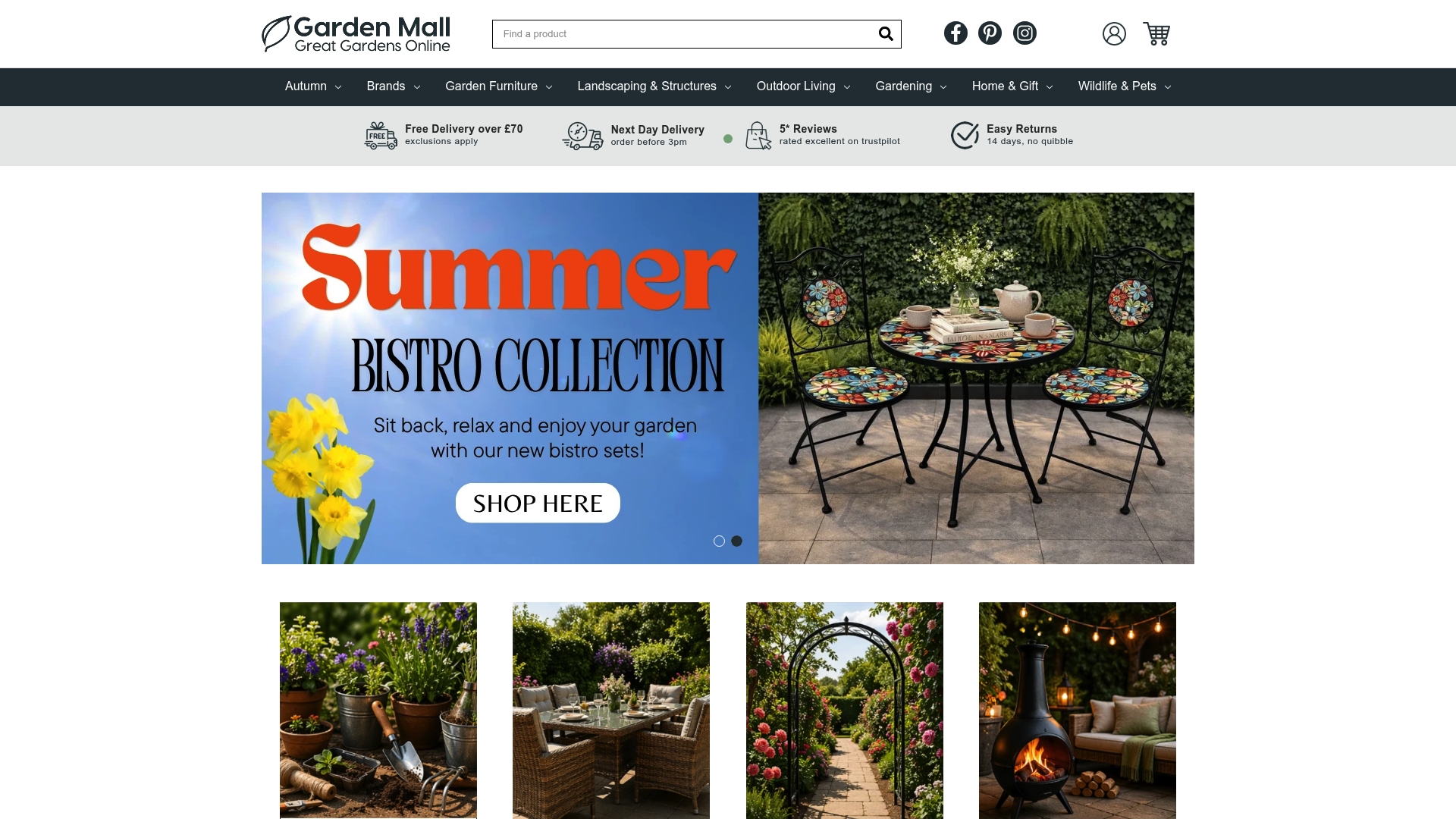
If you are ready to browse, our garden furniture range covers bistro sets, dining sets and lounge pieces. One example is our 6 piece garden patio furniture set, and you can look at outdoor dining if you are planning around a table. Orders over £70 come with free delivery, next-day delivery options are available and returns are accepted within 14 days.
When you shop, check the product description for the frame material and the type of rattan, using the questions in section 7. If it is not stated, ask before you buy.
10. Looking after either material through the year
A simple seasonal rhythm keeps both materials looking good.
- Spring: wash with warm soapy water and a stiff brush, rinse and dry. Check fixings and tighten any that have loosened.
- Summer: wipe away pollen, bird droppings and sun cream marks quickly. Rotate cushions so they wear evenly.
- Autumn: clear leaves from corners and under seats, where damp collects. Wash and dry cushions before storing them.
- Winter: if the set has a steel frame, store it indoors, as Gardeners’ World advises. For aluminium, a cover or sheltered spot is a bonus rather than a necessity.
This takes less time than most garden jobs, and it makes more difference to lifespan than which material you chose.
FAQ
Does aluminium garden furniture rust?
No. Aluminium is rust-resistant, because its surface barrier stops moisture penetrating, according to Ideal Home. It can generally be left outside year-round. Check any steel fittings or screws, though, as these are separate from the aluminium itself.
What is the difference between rattan and wicker?
Rattan is a material, a vine from the tropics. Wicker is a weaving technique that can use natural or synthetic fibres, as Gardeners’ World explains. Most outdoor “rattan” today is synthetic PE woven in a wicker style.
Can rattan garden furniture stay outside all year?
Synthetic PE rattan can, provided its frame will not rust, so an aluminium frame is the safe choice. Natural rattan cannot: wet weather can rot it and sun can fade it, so keep it in a conservatory. Covering or sheltering any set in winter will help it last.
Is aluminium or rattan better for a windy garden?
Heavier, bulkier pieces cope better with wind. Aluminium is light, so it can shift in strong gusts, while large rattan sets with wide frames feel more stable. On an exposed patio, choose broader aluminium pieces or a heavier rattan set and keep cushions stored when it is blowy.
Sources
- Best rattan garden furniture | BBC Gardeners’ World Magazine
- What is the most durable type of outdoor furniture? | Ideal Home
