


Busy UK gardeners: Self watering planters that refill every 1–2 weeks
Posted by Amy Hall on 1st Oct 2026
Busy UK gardeners: Self watering planters that refill every 1–2 weeks

Self-watering planters work best for moisture-loving plants and gardeners who travel often or simply want one fewer daily chore. They keep the root zone evenly moist, cut down on how often you need to water, and take the guesswork out of busy weeks. The trade-off is a small maintenance routine of their own: without occasional cleaning, mineral build-up and stagnant water can cause more harm than good. This guide walks through how they work, where they shine, where they fall short, and how to keep one running well.
TL;DR:
- Self-watering planters are ideal for moisture-loving plants like ferns, peace lilies, and herbs, which require consistent soil moisture for health.
- Regular maintenance involves checking the reservoir every one to two weeks and performing a full-empty cycle every one to two months to prevent salt buildup and root rot.
- Outdoor use requires considerations for heavy rain and wind, making larger reservoirs and sheltered placements crucial to maintain proper function.
- These planters are less suitable for drought-tolerant plants such as succulents, cacti, snake plants, and ZZ plants, which prefer dry soil conditions.
- Proper care and routine, including rinsing the reservoir and managing water quality, significantly extend the life and effectiveness of self-watering systems.
Table of Contents
- How self-watering planters work: reservoir, wicking and overflow
- Advantages of self-watering planters
- Disadvantages and failure modes
- Plants that suit self-watering planters, and which to avoid
- Maintenance checklist and common mistakes to avoid
- Indoor versus outdoor use: what changes and simple mitigations
- Final recommendation and quick decision checklist
- A gardener’s take on making self-watering planters work
- Where to buy and what to look for in the shop
- Sources
- FAQ
How self-watering planters work: reservoir, wicking and overflow
Every self-watering planter is built around the same basic idea: a water reservoir sits beneath or beside the soil, and a wick or capillary channel draws moisture upward as the roots need it. Rather than soaking the whole pot and letting it dry out, the plant sips steadily from below, which smooths out the wet-dry cycle that stresses many houseplants when top watering is irregular.
The mechanism has three working parts:
- A reservoir at the base holds a standing supply of water, often visible through a small window or gauge.
- A wick, cord or column of soil bridges the reservoir and the root zone, pulling water up through capillary action as the surrounding soil dries.
- An overflow hole or drainage gap stops the reservoir from flooding the roots when it’s topped up or when rain adds extra water outdoors.
Fill indicators, where fitted, make refilling straightforward. You simply watch the gauge rather than guessing by lifting the pot or poking a finger into the soil. Because water only moves upward when the plant draws on it, roots are rarely sitting in saturated compost, which is one reason these systems suit plants that dislike both drought and waterlogging in equal measure.
Advantages of self-watering planters
For the right plant, a self-watering system solves several problems at once rather than just one.
- Consistent moisture at the root zone. Moisture-loving species such as ferns and peace lilies stay healthier when the soil never fully dries out between waterings.
- Fewer refills needed. A full reservoir can sustain many indoor, moisture-loving houseplants for one to two weeks, which suits anyone who travels or simply forgets to water midweek.
- Less water wasted overall. Because water is drawn only as needed rather than poured on and left to run off, less ends up lost through surface evaporation or drainage.
- Steadier conditions for seedlings and herbs. Young plants and kitchen herbs, which are sensitive to both drought stress and overwatering, benefit from the even supply.
- Lower risk of overwatering shock, provided the reservoir is managed correctly and not treated as a “fill and forget” feature.
A full reservoir typically keeps many indoor plants watered for one to two weeks, which is long enough to cover most short breaks without asking a neighbour to pop round.
For anyone juggling a full diary, a windowsill full of herbs, or a habit of forgetting the watering can until the leaves start drooping, this steadier rhythm is the main selling point. It doesn’t remove all effort from container gardening, but it does remove the daily guesswork.
Disadvantages and failure modes
The same reservoir that makes these planters convenient is also where most problems start. Left unchecked, standing water and sealed compost create conditions that ordinary pots simply don’t have.
- Mineral and fertiliser salt build-up shows up as browning leaf tips or a general loss of vigour, especially when tap water or strong feeds are used repeatedly.
- Algae and fungus gnats can take hold in a reservoir that’s rarely emptied, particularly in warm rooms with low airflow.
- Root intrusion into the reservoir itself is a real risk over time. Roots chasing water can clog the wick and reduce the oxygen the rest of the root system needs.
- Succulents, cacti and other drought-adapted plants suffer in constantly moist compost, since their roots are built to dry out fully between waterings.
- Outdoors, heavy rain can overflow the reservoir while a hot spell can empty it far faster than expected, undoing the low-maintenance appeal.
Pro Tip: Let the reservoir run completely dry once every one to two months. This one habit does more to prevent salt build-up and root rot than any other single step.
None of this makes self-watering planters a poor choice. It simply means they ask for a different kind of attention: less frequent, but not zero.
Plants that suit self-watering planters, and which to avoid
Matching the plant to the system determines whether a self-watering planter feels like a convenience or a constant battle. Moisture-loving species are the clearest winners:
- Peace lily, which wilts dramatically when dry and recovers quickly with steady moisture.
- Pothos and philodendron, both tolerant of consistently moist compost and forgiving of minor swings.
- Leafy herbs such as basil and mint, which struggle in containers that dry out between waterings.
- Leafy greens grown in pots, including lettuce and spinach, which benefit from even soil moisture during active growth.
Plants adapted to dry spells generally do worse in a constantly damp reservoir system:
- Succulents and cacti, whose roots need the soil to dry out fully to avoid rot.
- Snake plant, prized precisely for tolerating neglect and drought, not constant moisture.
- ZZ plant, which stores water in its rhizomes and is prone to rot in permanently moist compost.
For edible crops, water quality matters too. Rainwater is softer and lower in minerals than mains water, so topping up a reservoir with rainwater where possible slows mineral build-up compared with repeated use of hard tap water.
Maintenance checklist and common mistakes to avoid
A self-watering planter rewards a short, regular routine far more than an occasional deep clean.
- Check the reservoir every one to two weeks indoors, more often in hot rooms or during summer when plants draw water faster.
- Let it run dry once every one to two months as a full-empty cycle, which flushes out accumulated salts and discourages roots from chasing water into the reservoir.
- Clean the reservoir with a mild rinse when you empty it fully, removing any algae film or sediment before refilling.
- Dilute fertiliser more than the label suggests for self-watering systems, since feed left sitting in standing water concentrates faster than in freely draining soil.
- Check for roots in the reservoir if refills seem to disappear unusually fast. If you find them, repotting into a larger self-watering unit or trimming the invading roots back will restore normal function.
Pro Tip: Keep the reservoir topped to roughly half or two-thirds full rather than brimming. It gives roots room to breathe between refills and reduces the risk of overflow.
Most of the problems associated with these planters trace back to skipping this cycle altogether. Treat the reservoir as a feature to manage, not a tank to fill and ignore.

Indoor versus outdoor use: what changes and simple mitigations
Indoors, self-watering planters behave predictably. Room temperature stays fairly constant, so refill cadence is easy to learn and maintenance stays light.
Outdoors, the same system faces variables that indoor pots never see:
- Heavy rain can overwhelm the reservoir, so an overflow outlet or a sheltered spot under eaves is worth checking before a wet spell.
- Hot weather empties reservoirs faster than expected, so a larger capacity unit suits patios and balconies in full sun.
- Wind increases evaporation from the soil surface, which can leave compost drier than the reservoir gauge suggests.
Placing outdoor planters where they get some shelter from driving rain, and choosing a larger reservoir for exposed spots, keeps most of these issues in check. In winter, it’s worth emptying reservoirs fully in freezing conditions, since trapped water can crack plastic or terracotta housings as it expands.
Final recommendation and quick decision checklist
Self-watering planters are worth buying if you grow moisture-loving plants, travel often, or simply want fewer watering days without letting plants suffer in between. Run through this before buying:
- Are your plants moisture-lovers (ferns, peace lilies, herbs) rather than succulents or cacti?
- Do you travel or forget to water at least once every week or two?
- Are you happy to empty and rinse a reservoir every month or two?
- Does the size fit your budget and available space?
If the answers lean “no”, a well-drained conventional pot on a simple watering routine may suit you better. Otherwise, start small: try one self-watering planter for a kitchen herb, and watch how the reservoir behaves over a fortnight before committing to a whole windowsill or patio’s worth.
A gardener’s take on making self-watering planters work
I’ve moved a fair number of plants in and out of self-watering pots over the years, and the pattern is always the same: the planters that thrive are the ones whose owners treat the reservoir as part of the plant care routine, not a gadget that removes it. The main lesson worth repeating is the empty-and-rinse cycle. Skip it, and even the best-designed planter will eventually show white crusting on the soil or a whiff of stagnant water. Get that habit right, and the rest looks after itself.
Planters are available across several materials and reservoir styles, alongside a wider range of garden furniture and outdoor living products, often backed by free delivery on larger orders and straightforward returns.
— Peter
Where to buy and what to look for in the shop
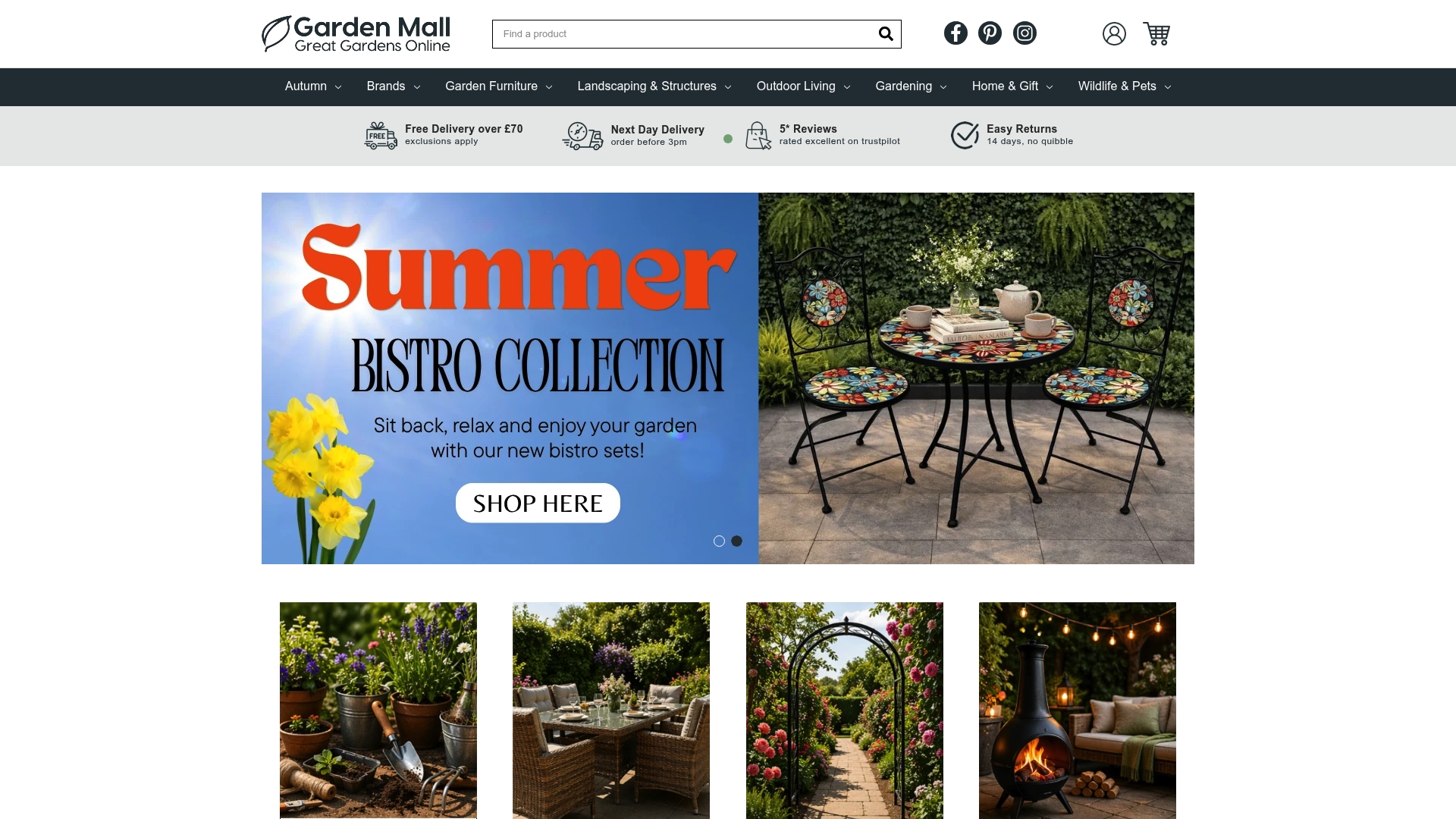
If you’re ready to try one, the Outdoor Pots & Planters range at Great Gardens Online is worth a browse, with options that let you filter by size, reservoir style and material to match the checklist above.
A few pointers before you choose:
- Match reservoir size to plant thirst. Larger, thirstier plants need a bigger tank if you want the full one to two-week refill window.
- Weigh up material trade-offs. Terracotta breathes better but dries faster; plastic holds moisture longer and suits busier schedules.
- Check drainage and overflow features, especially if the planter will live outdoors and face rain.
Orders over a certain amount may come with free delivery, and if a planter doesn’t suit your space or your plants, the returns process typically makes sending it back straightforward. For anyone who wants live plants to fill a new planter, The Plant Seed is a useful place to browse houseplants and small container plants suited to moist compost.
Sources
- The truth about self-watering pots: do they really work?
- Collecting, storing and reusing water | RHS Advice
FAQ
What are the downsides of self-watering pots?
The main downsides are mineral and fertiliser salt build-up, algae or fungal growth in neglected reservoirs, and roots eventually growing into the reservoir itself. Regular emptying, rinsing and diluted feeding largely prevent all three.
What plants do not like self-watering pots?
Succulents, cacti, snake plant and ZZ plant generally dislike constantly moist compost because their roots need to dry out fully between waterings. Placing them in a self-watering system raises the risk of root rot.
Is a self-watering planter worth it?
It’s worth it for moisture-loving plants and gardeners who travel or want fewer watering days, since a full reservoir can keep many indoor plants going for one to two weeks. It’s less useful for drought-adapted plants or anyone unwilling to clean the reservoir occasionally.
What are common problems with auto watering?
Common problems include overflowing reservoirs during heavy rain outdoors, faster-than-expected emptying in hot weather, and mineral crusting on the soil surface from repeated use of hard tap water. Most are avoidable with a monthly check and an occasional full-empty cleaning cycle.
